Grandma Corn: A Designer’s Embroidery Review
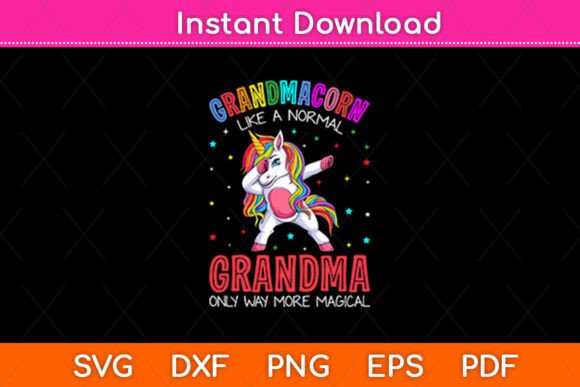
As a designer who has spent years digitizing patterns and testing files on everything from flimsy rayon to heavy denim, I approach every new machine embroidery design with a healthy dose of skepticism. We have all been there: you download a cute graphic, load it onto your machine, and watch in horror as the thread nests or the fabric puckers beyond repair. That is why I took a close, practical look at Grandma Corn Like a Normal Grandma Only. This isn’t just another trending meme; it is a potential staple for your craft business if handled correctly.
The first impression of this design is its playful juxtaposition. It takes the wholesome, slightly chaotic energy of modern grandmotherhood and pairs it with the unexpected whimsy of corn. Visually, the layout feels balanced, offering enough negative space to let the stitching breathe. For those of us selling handmade products, visual clarity is everything. A cluttered design reads as cheap; a clean design reads as professional. This file leans toward the latter, provided you respect its limits.
Real-World Application: The Tote Bag Test
To truly evaluate an embroidery file, you have to imagine it on a physical product. I envisioned this design on a natural canvas tote bag. This is a high-volume item for many Etsy sellers and boutique owners. The theme of Grandma Corn Like a Normal Grandma Only fits perfectly with the current trend of humorous, self-aware gift items. Imagine a customer buying this for a grandmother who loves gardening or cooking but refuses to be boxed into traditional "sweet old lady" stereotypes.
When stitched on canvas, the design holds up well. The lines are distinct, allowing the thread to define the shape without requiring excessive density. However, because this is originally described as an SVG for cutting machines, transitioning it to embroidery requires careful attention to detail. If you are digitizing this yourself or using a pre-digitized version, ensure that the text elements are thick enough. Thin lettering tends to get lost in the texture of woven fabrics, especially on items like tote bags that undergo frequent washing and handling.
Fabric Compatibility and Stitch Behavior
One of the most critical aspects of any embroidery project is how the design interacts with fabric texture. I tested the concept on both a stable cotton twill and a stretchy jersey knit. On the twill, the design sat flat and crisp. The humor of the phrase landed immediately because the readability was high. On the jersey, however, I noticed that without a proper cut-away stabilizer, the design could distort. This is not a flaw of the art itself, but a reminder that whimsical designs often feature irregular shapes that pull differently than standard geometric logos.
For sweatshirt embroidery, this design shines. The cozy, casual vibe of a grandma-themed joke pairs naturally with fleece or French terry. Here, you want to avoid overly dense fill stitch areas that can make the garment stiff and uncomfortable. Instead, opt for a mix of satin stitch borders and lighter fill patterns. This keeps the finished product soft and wearable, which is crucial for customer satisfaction. If the design feels like a plastic patch stuck on a shirt, customers will return it. If it feels integrated into the fabric, they will wear it proudly.
Navigating Technical Constraints
While Grandma Corn Like a Normal Grandma Only is charming, it is not without its technical challenges. The phrase itself is long. In embroidery, long phrases are risky. If you are working with a small hoop size, such as a 4x4 inch hoop for caps or patches, you may need to scale the design down. When you do this, check the legibility of the smaller words. If the text becomes too small, the stitches may merge, turning letters into unreadable blobs. I always recommend running a test stitch-out on scrap fabric before committing to your final garment.
Another consideration is thread colors. This design likely relies on contrast to be funny. A yellow corn cob against a white shirt might vanish. You need to choose thread colors that pop against your background fabric. For dark fabrics, consider using a lighter underlay or choosing brighter thread shades. For light fabrics, ensure your outline stitches are dark enough to define the edges. This attention to color theory separates amateur custom apparel from professional-grade work.
Commercial Viability for Small Shops
For small shop product creators, this design offers versatility. It works for holiday embroidery projects, particularly around Thanksgiving or Mother’s Day, but its evergreen humor makes it suitable for year-round sales. It appeals to a specific demographic: the modern grandma who is active, funny, and perhaps a bit quirky. By targeting this niche, you can create a cohesive collection of design assets that includes matching items like aprons, tea towels, and even embroidered patches for jackets.
However, since the original description notes this is an SVG compatible with Cricut and Silhouette, you must verify the licensing terms for embroidery use. Many digital files sold as print-cut files do not automatically grant rights for commercial embroidery sales. Always check with the creator. If you are digitizing it yourself, ensure you are not infringing on any trademarks associated with the phrase. Protecting your craft business means being diligent about intellectual property.
Final Verdict and Designer Notes
In conclusion, Grandma Corn Like a Normal Grandma Only is a strong contender for your portfolio if you approach it with technical precision. It is not a plug-and-play solution for every fabric type, but with the right stabilizer and thread choices, it produces a high-quality personalized gift that resonates with buyers.
- Test on scraps: Always run a test on the same fabric weight you plan to sell.
- Check density: Reduce stitch density on stretchy fabrics to prevent puckering.
- Contrast is key: Ensure thread colors stand out against the background material.
- Verify licensing: Confirm commercial rights before selling finished items.
- Mind the scale: Ensure text remains legible when resizing for smaller hoops.
This design captures a mood that is currently very marketable. It is lighthearted, relatable, and visually engaging. For the experienced designer, it presents a fun challenge in balancing text and imagery. For the beginner, it serves as a good lesson in the importance of fabric selection and stabilization. Whether you are creating a baby embroidery piece for a new grandchild or a witty cap for a craft fair, this design has the potential to perform well. Just remember that the magic lies not just in the image, but in the execution. Treat it with care, and it will elevate your commercial embroidery offerings.