Reviewing Magical Music Teaching Clipart for Stitching
As a designer who has spent years translating digital art into thread, I approach every new machine embroidery design with a mix of curiosity and caution. We have all been there: you see a cute graphic online, imagine it perfectly stitched on a boutique sweatshirt, only to realize later that the details are too fine for the hoop or the density is too high for the fabric. That is why I took a close look at Magical Music Teaching Clipart, specifically the "Melodies of the Heart" scene, to determine if it holds up in real-world production.
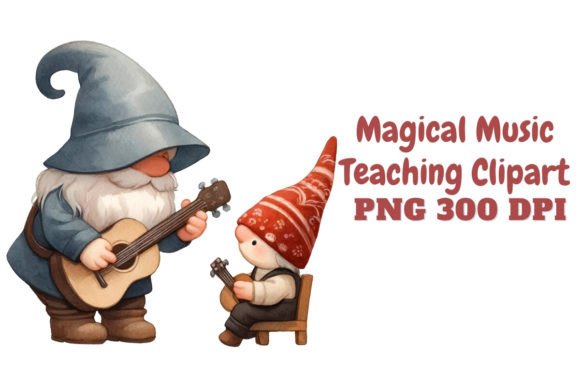
This piece falls under the broad categories of Crafts and Graphics, but for us, the question is always about translation. Can this whimsical illustration of a gnome teacher and student become a viable product? After analyzing the visual structure and imagining the stitch path, I believe this design has significant potential for specific niches, provided you manage the technical execution correctly.
First Impressions: Mood and Visual Personality
The immediate appeal of Magical Music Teaching Clipart lies in its narrative warmth. The scene depicts a gentle interaction between a mentor and a learner, surrounded by musical motifs. For an embroidery project, this emotional resonance is crucial. It is not just a picture; it is a feeling. This makes it ideal for personalized gifts where sentiment matters more than flashiness.
Visually, the layout appears balanced. The characters are central, which is good for standard hoop sizes. However, as a reviewer, I look past the colors on the screen. I look at the shapes. Are there tiny, isolated elements that will require excessive jump stitches? Does the composition rely on subtle gradients that thread cannot replicate? The charm here is in the simplicity of the gnomes’ forms, which suggests that with the right digitizing, this could translate well into a clean satin stitch outline or a soft fill stitch body, depending on the desired texture.
Real-World Application: Where This Design Shines
I recently considered a similar concept for a client wanting custom apparel for a local music school. They needed something that felt professional yet approachable. Magical Music Teaching Clipart fits this brief perfectly. Here is how I envision it performing in various commercial embroidery scenarios:
- Sweatshirt Embroidery: This is perhaps the strongest use case. The thick fabric of a crewneck provides a stable base for the design. The whimsical nature of the gnomes contrasts nicely with the casual wear, creating a unique boutique feel.
- Tote Bag Design: Canvas totes are popular among Etsy sellers. Placing this design on the front panel creates a charming accessory for music teachers or students. The flat surface ensures the stitch density remains consistent without puckering.
- Nursery Decor and Baby Embroidery: The gentle theme is perfect for baby items. Imagine this stitched onto a muslin blanket or a onesie. However, you must ensure the thread choices are soft and the backing is comfortable against sensitive skin.
- Embroidered Patch: If you digitize this as a standalone patch, it becomes a versatile asset. Patches can be sold separately or applied to jackets and bags, increasing the perceived value of the finished product.
For small shop owners and craft business operators, this type of imagery helps build brand consistency. It signals creativity and care, which drives buyer engagement and trust.
Technical Considerations and Potential Pitfalls
While the aesthetic is strong, we must address the technical realities of turning a clipart image into a stitched reality. Not every graphic is ready for the needle. Here are the areas where you need to exercise caution when using Magical Music Teaching Clipart.
Fabric Texture and Stability
Thread behaves differently on various materials. On textured fabrics like terry cloth or heavy linen, fine details can get lost. If you plan to use this design on such materials, you may need to simplify the digitizing, opting for bolder lines rather than intricate details. Conversely, on thin or stretchy fabrics, high stitch density can cause puckering. Always use a proper stabilizer. For knits, a cut-away stabilizer is often necessary to maintain the integrity of the design after washing.
Hoop Size and Placement
Before you commit to production, confirm the hoop size required. If the original graphic is wide, it might not fit in a standard 4x4 inch hoop without scaling down, which could make small elements unreadable. If you are stitching on curved surfaces like caps, the design needs to be narrow enough to fit the front panel without distorting around the curve. Always test the design on scrap fabric first. This simple step saves hours of frustration and wasted material.
Detail Level and Stitch Types
Clipart often contains small text or tiny decorative elements. In embroidery, these can become problematic. Tiny lettering may merge together, and small dots can pull out during wear. If the Magical Music Teaching Clipart includes musical notes or small accessories, consider whether they should be rendered with a running stitch for delicacy or a satin stitch for durability. Avoid dense clusters of stitches in small areas, as this can lead to thread breaks and needle heat.
Enhancing Visual Appeal and Product Value
The success of a handmade product often depends on presentation. When using this design, think about thread color contrast. A high-contrast palette makes the design pop, while tonal variations create a sophisticated, subtle look. For a holiday embroidery project, you might choose festive reds and greens, but for a year-round item, earth tones might better suit the gnome theme.
Additionally, consider how the design looks in black and white. This is a useful trick for checking value and clarity. If the design loses its definition without color, it may need adjustments in digitizing. For digital product sellers, creating printable mockups that show the design on various items can help customers visualize the final result, boosting conversion rates.
Practical Notes for the Embroidery Designer
To ensure your project with Magical Music Teaching Clipart is a success, follow these practical steps:
- Check Licensing: Before selling any finished items or digital embroidery files, confirm the license terms. Ensure you have commercial rights if you are an Etsy seller or run a small shop product line.
- Test Stitch Density: Run a test stitch-out. Check if the density is appropriate for your chosen fabric. Too dense, and the fabric will pucker; too light, and the background may show through.
- Inspect Small Details: Look closely at the tiniest parts of the design. Are they secure? Do they add value, or do they clutter the composition?
- Compare Backgrounds: Test the design on both light and dark fabrics. You may need to adjust thread colors or add an underlay to ensure visibility on darker materials.
- Verify File Formats: Ensure you have the correct digital embroidery file format for your machine. Common formats include PES, DST, and EXP. If the provider does not list specific compatibility, ask before purchasing.
In conclusion, Magical Music Teaching Clipart offers a charming foundation for a variety of embroidery projects. Its strength lies in its emotional appeal and versatile theme. By paying attention to technical details like stabilizer choice, stitch density, and fabric compatibility, you can transform this graphic into a high-quality, profitable addition to your craft business. Whether you are creating a personalized gift or stocking your online store, this design invites creativity and warmth into every stitch.